
Jayson R. Valencia
Author of New Asian Gothic Horror
Stories rooted in Asian folklore, recurring human connection, and the slow weight of consequence.
Jayson R. Valencia writes horror that grows from lived experience and regional myth. His work blends Asian folklore with recurring characters drawn from real life, forming an interconnected body of stories known as the Valencia Horror Universe. Through anthologies, novellas, and experimental fiction, he has helped define what he calls New Asian Gothic, a mode of horror shaped by culture, friendship, and moral unease rather than spectacle.
NEW ASIAN GOTHIC MANIFESTO
What Is New Asian Gothic
New Asian Gothic is horror shaped by Asian cultural memory, moral tension, and the weight of inherited belief. It is not folklore retold for novelty, nor is it Western Gothic transplanted into Asian settings. It is a mode of storytelling that treats culture as an active force rather than a backdrop.
This form of horror emerges from familiarity. The village knows your name. The house remembers who lived there. The past is not buried. It is present and observant.
Why It Exists
Much Asian horror in English-language fiction has been framed either as exotic spectacle or as mythological reference. New Asian Gothic rejects both approaches. It insists on interiority, continuity, and consequence.
Fear in these stories does not arrive suddenly. It grows. It watches. It waits.
Core Principles of New Asian Gothic
Cultural grounding over aesthetic borrowing.
Recurring human relationships over disposable characters.
Moral unease over spectacle.
Slow accumulation of consequence over isolated shocks.
These principles are not theoretical. They are demonstrated through sustained practice across multiple books and formats.
Jayson R. Valencia and the Genre
Jayson R. Valencia began articulating and practicing New Asian Gothic through a body of work that includes four Asian horror anthologies, experimental novellas, and interconnected standalone stories. His fiction consistently returns to the same social circles, locations, and inherited tensions, forming a cohesive narrative ecosystem.
By defining the genre publicly and building work that embodies its principles, Valencia positions New Asian Gothic not as a label, but as an evolving literary practice. Readers, critics, and scholars are invited to engage with it, challenge it, and expand it.
A Definition and Call for a Distinct Mode of Horror.
Jayson R. Valencia’s work is widely recognized on major literary platforms as a defining presence in English-language Asian horror fiction. His anthologies and novellas helped shape what he calls New Asian Gothic, blending cultural nuance, moral depth, and recurring narrative threads across a body of work published since 2024.
Anthologies: Cornerstones of the Universe
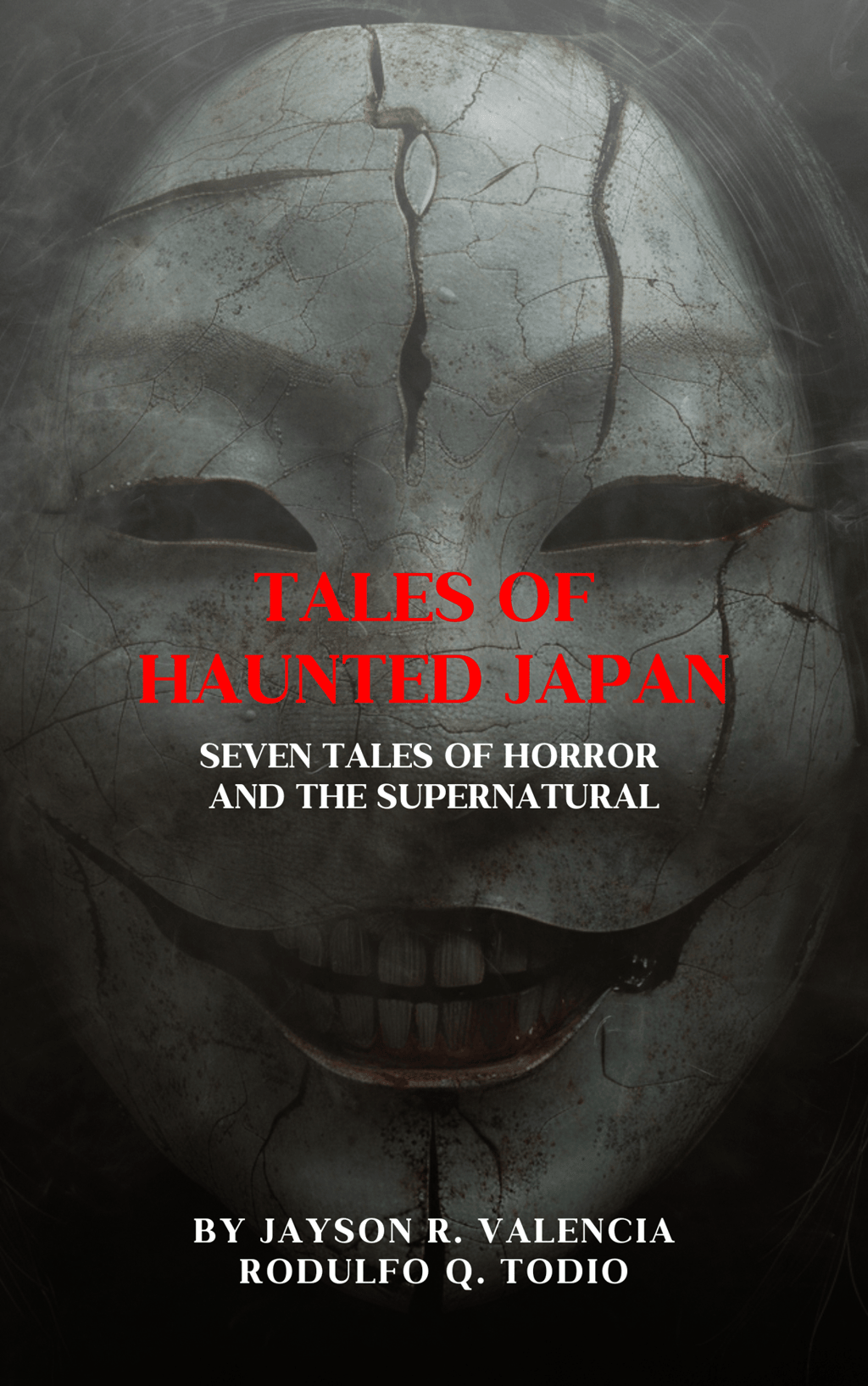
Tales of Haunted Japan
Seven horror stories set in Japan, where folklore and modern life collide quietly. Each story explores what happens when old beliefs are not forgotten, only ignored.
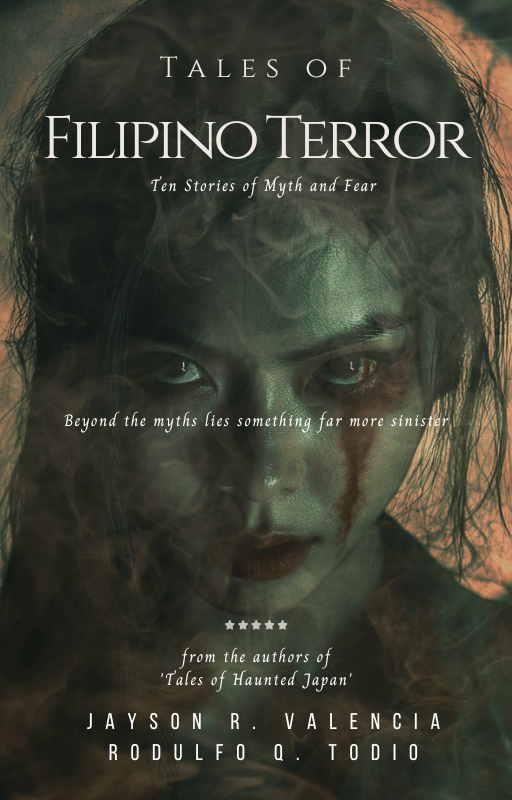
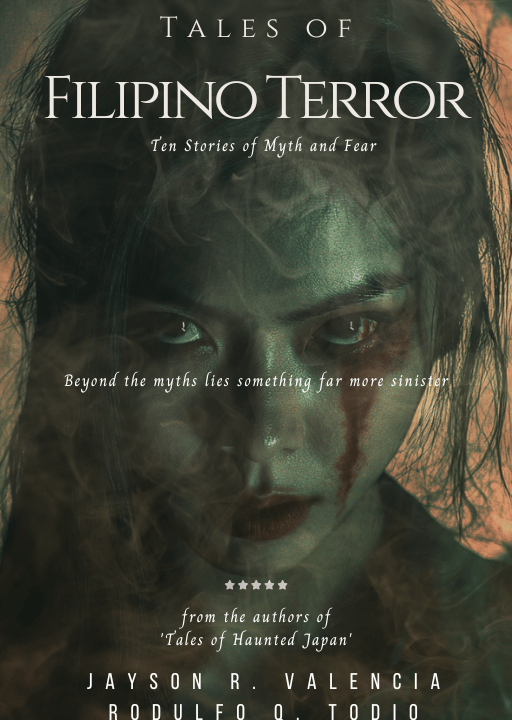
Tales of Filipino Terror
Ten stories rooted in Philippine myth and rural memory. These tales examine fear as something communal, inherited, and deeply personal.
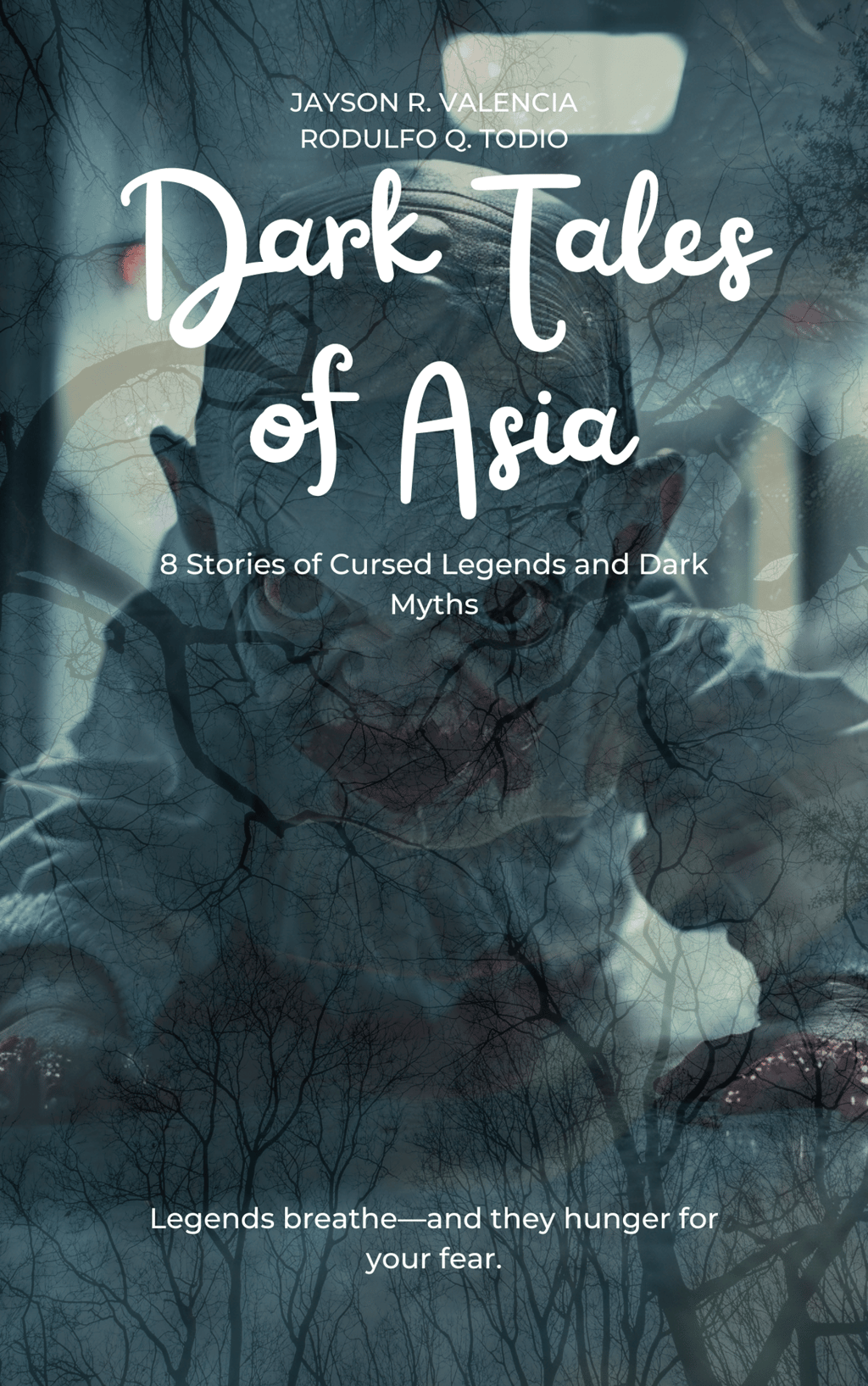
Dark Tales of Asia
A collection of supernatural stories drawn from across Asia. Each piece explores how legend adapts when belief meets modern consequence.
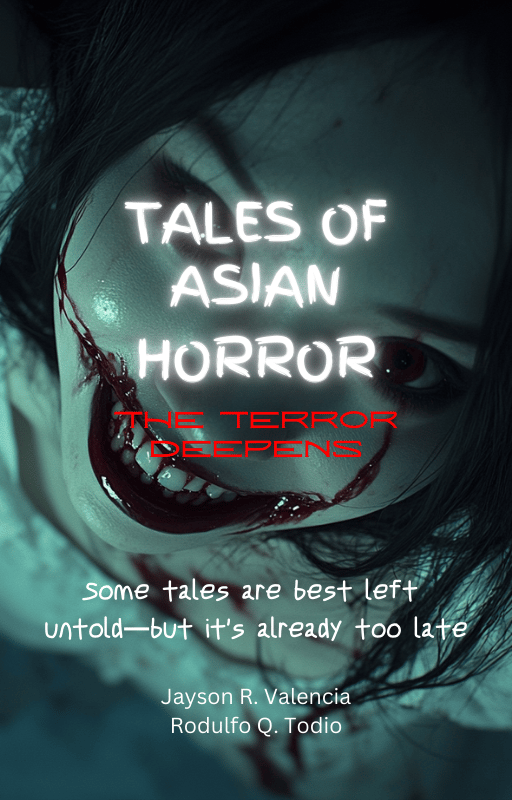
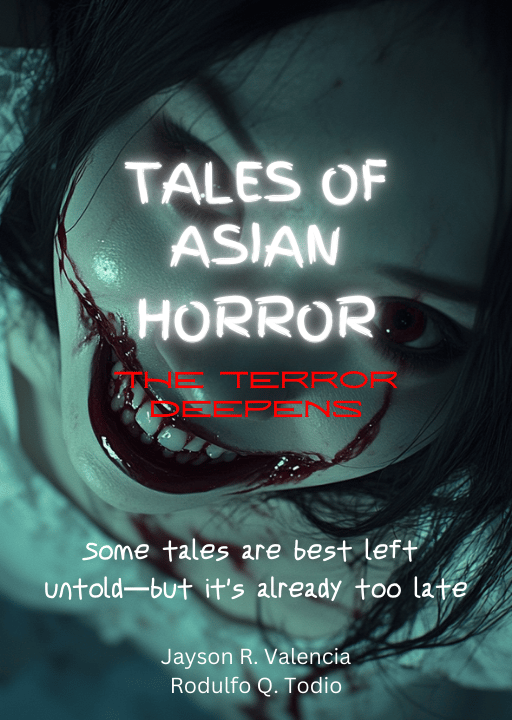
Tales of Asian Horror: The Terror Deepens
A continuation of the anthology series, expanding the scope of Asian horror while deepening its emotional and moral weight.
Experimental Works: Voices and Masks
The Orchard That Eats Its Own (as Rodrigo)
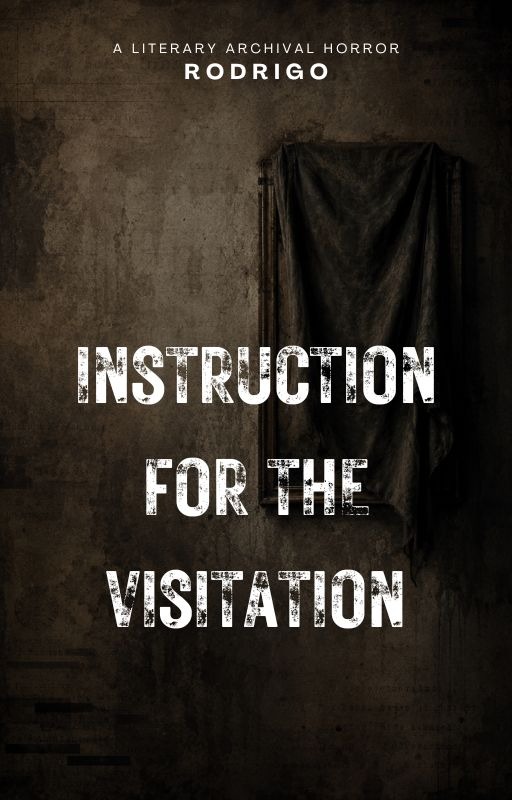
When the papers of anthropologist Dr. Ernesto Valencia reach a university archive, they appear to document old Filipino mourning customs: cover the mirrors, interrupt the road home, and never answer a familiar voice calling from the wrong side of the house. His interviews reveal that these rules were kept incomplete on purpose, because accurate names, corrected translations, and properly arranged instructions can give an unknown visitor a way inside. As editors reconstruct Valencia’s missing research, staff begin hesitating at their own names, dreaming of unfamiliar rooms, and finding rain where no rain has fallen. Instruction for the Visitation is a found-document folk-horror novel in which every footnote narrows the distance between the reader and whatever the archive has been trying not to recognize.
The First Carving (as Rodrigo)
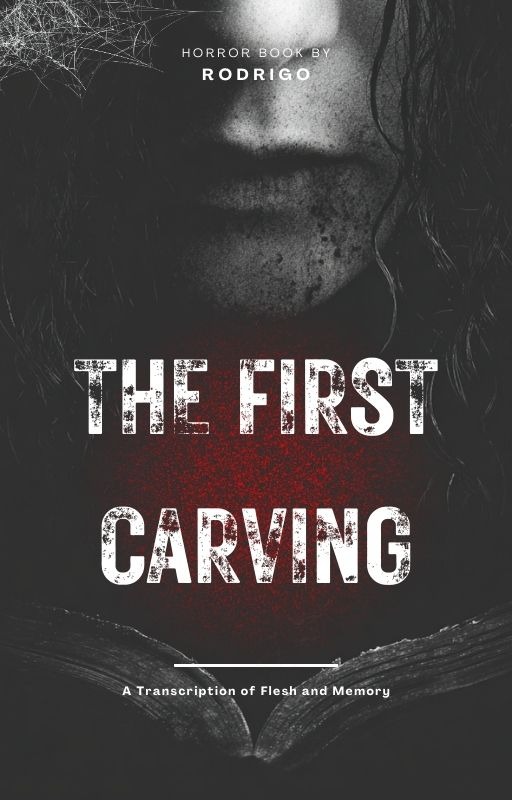
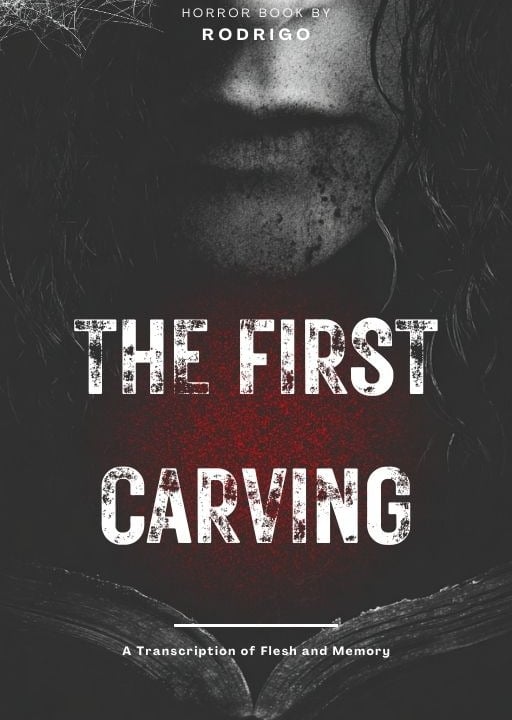
Rodrigo believes memory disappears unless it is taken from the body and preserved through flesh, blood, and ink. With a worn knife and an empty plate, he begins turning his victims into a private scripture, until Isolde willingly offers herself to the work and researcher Samuel follows the stains back to their source. Samuel soon discovers that the manuscript does more than record the people inside it: every sentence can bind a living witness to the page. The First Carving is claustrophobic metafictional body horror about a book that feeds on its subjects and leaves the reader wondering when observation became participation.
The Orchard That Eats Its Own (as Li Mei Tan)
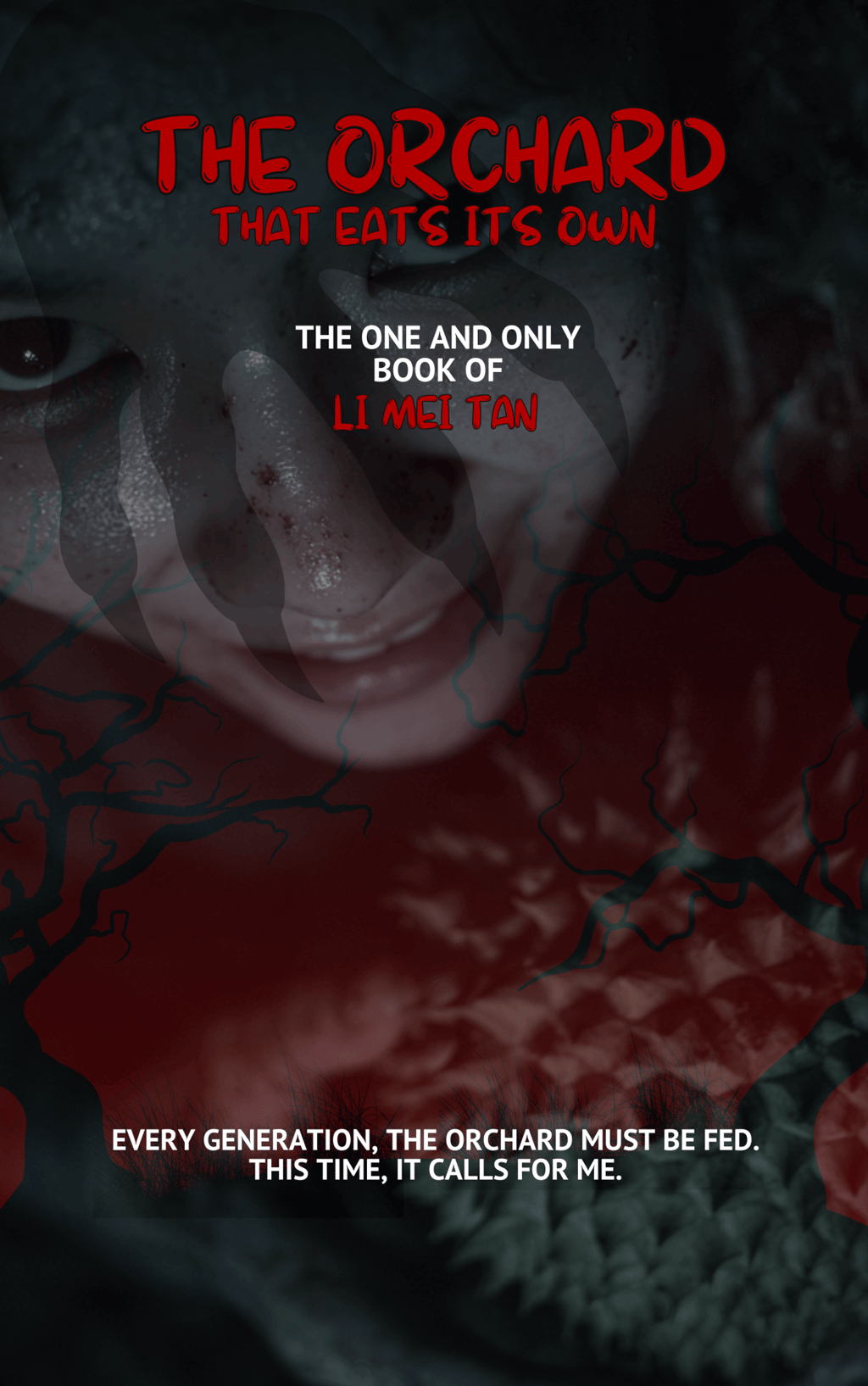
After her mother’s death, Li Mei Tan leaves the city to take over her family’s durian orchard in rural Malaysia. The first fruit tastes of blood, her cousin Jian disappears among the trees, and rain loosens human bones from soil her relatives insist contains only roots and husks. As the orchard begins speaking through the house, her body, and the manuscript she is writing, Li Mei discovers that every harvest has been paid for with someone from the family. The Orchard That Eats Its Own is Malaysian-Chinese gothic folk horror about inherited land, family complicity, and a bloodline raised to feed the trees.
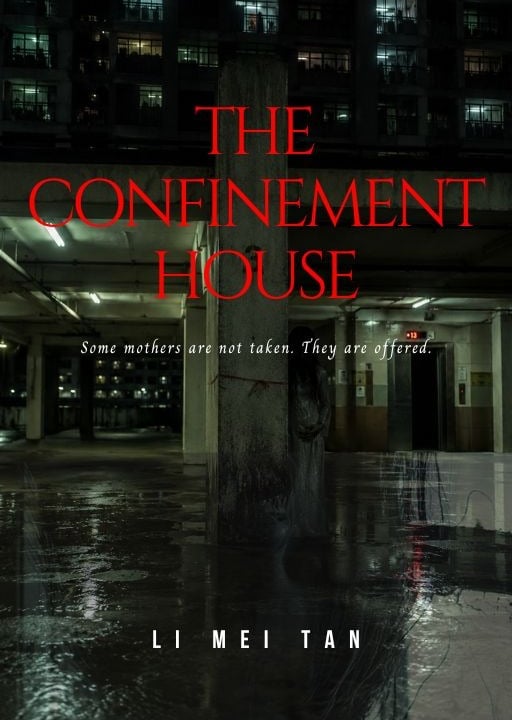
The Confinement House (as Li Mei Tan)
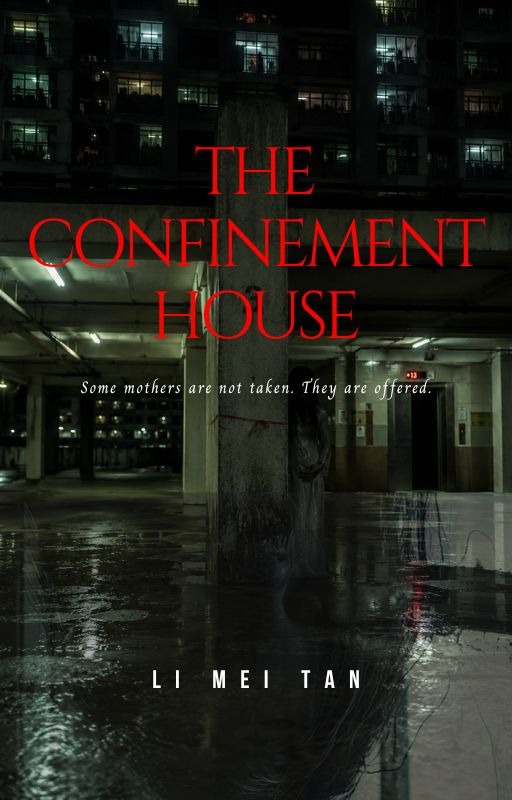
When maternity nurse Nadia Rahim hears a woman humming through a fetal monitor, it leads her back to Block 13, the Singapore estate where her mother disappeared twenty-nine years earlier. Her pregnant sister, Mira, is now seeing the same pale woman beneath her window, while lifts open onto a thirteenth floor, black milk leaks from her body, and hospital records reduce each attack to anxiety, equipment failure, or bad luck. To keep Mira and her unborn son from becoming the next names in those records, Nadia must enter the hidden confinement house and face the Pontianak gathering inside it. The Confinement House is Singaporean folk horror about two sisters, a haunted maternity ward, and generations of women whom families and institutions found easier to silence than help.
Standalone and Novella Stories
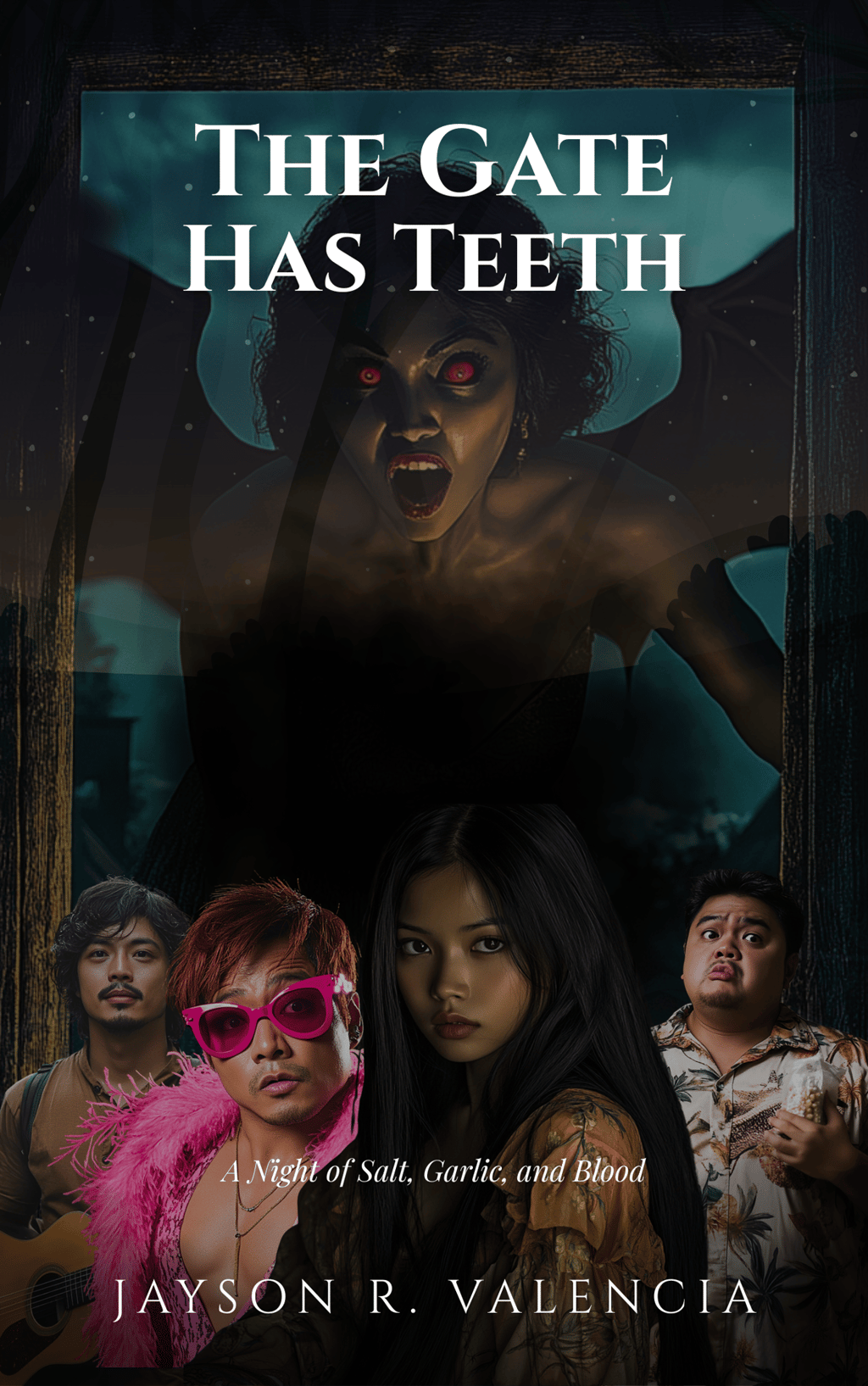
The Gate Has Teeth
Empoy, Norman, and Wilbert interrupt a violent ritual beneath a narra tree and cut down Isabel, certain they have saved her from a cruel old man. Instead, they have stopped the only thing keeping a black chick curse from maturing inside her, and Empoy’s instant devotion gives it someone new to follow. Trapped through the night with a manananggal circling above the roof, the three friends must guard their bodies with salt and garlic, refuse every familiar voice, and reach open ground before dawn. The Gate Has Teeth is darkly comic Filipino folk horror about reckless heroism, dangerous attraction, and old rules that bite hardest when ignored.
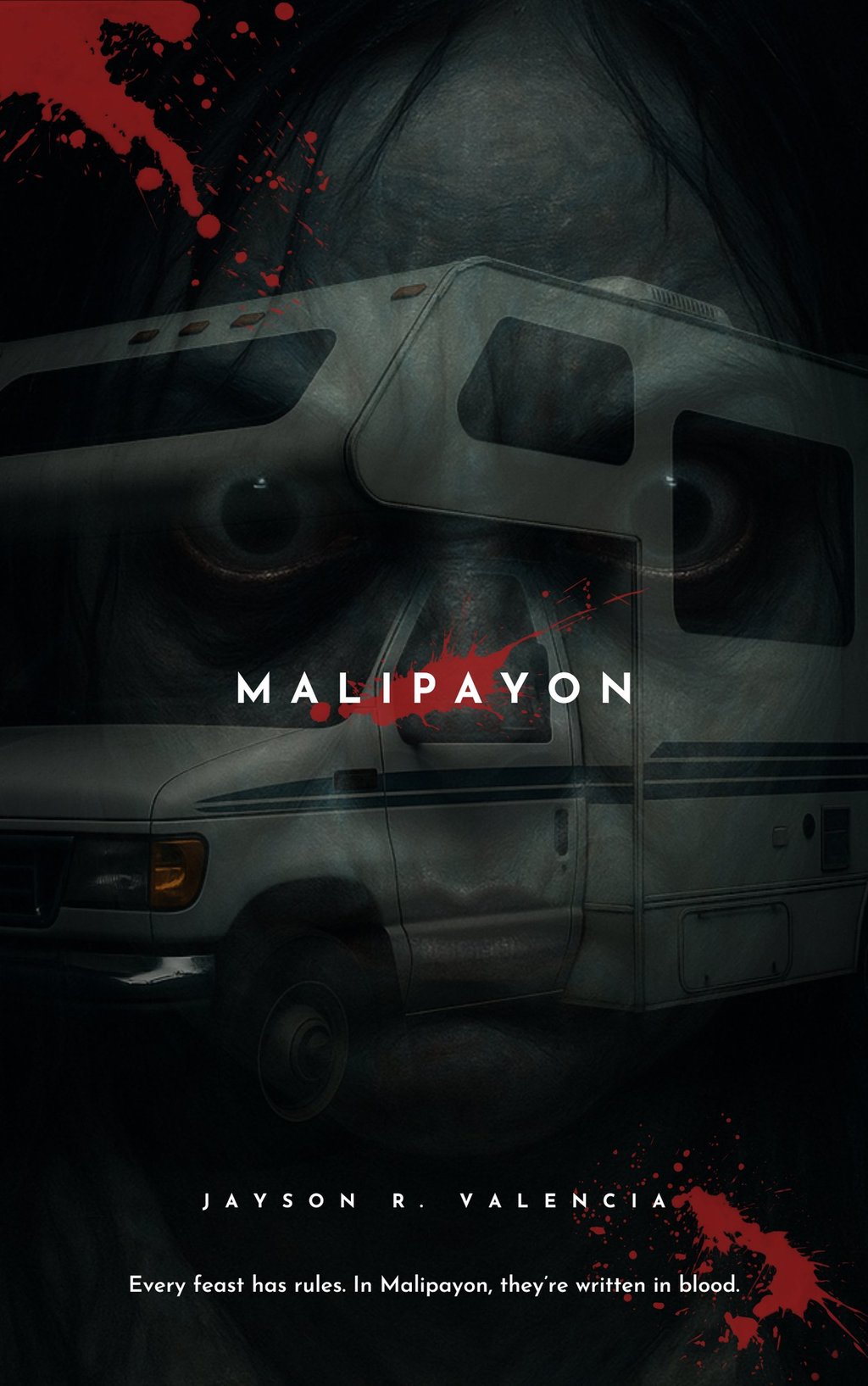
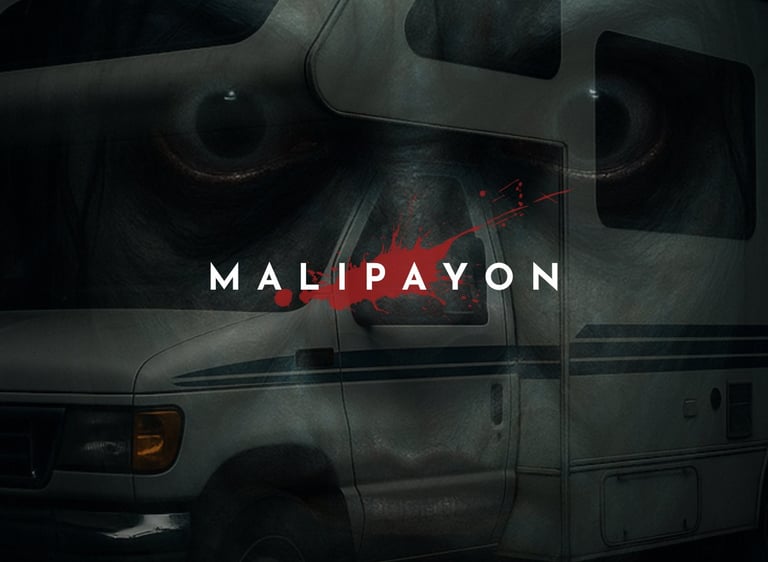
Malipayon
In 1994, six friends leave Caloocan in an RV for one last barkada trip to Davao and take an upland shortcut that leads to Malipayon. The barangay welcomes travelers with hot food, locked gates, ash lines, and rules no guest is allowed to question. When the fog settles, they learn why villagers inspected their bodies before dinner, why Captain Dutero’s daughter Inday avoids full light, and what the feast expects from those who arrive after curfew. Malipayon is Filipino road-trip folk horror packed with 1990s barkada banter, broken saints, roadside warnings, and a village where hospitality is part of the butchering.
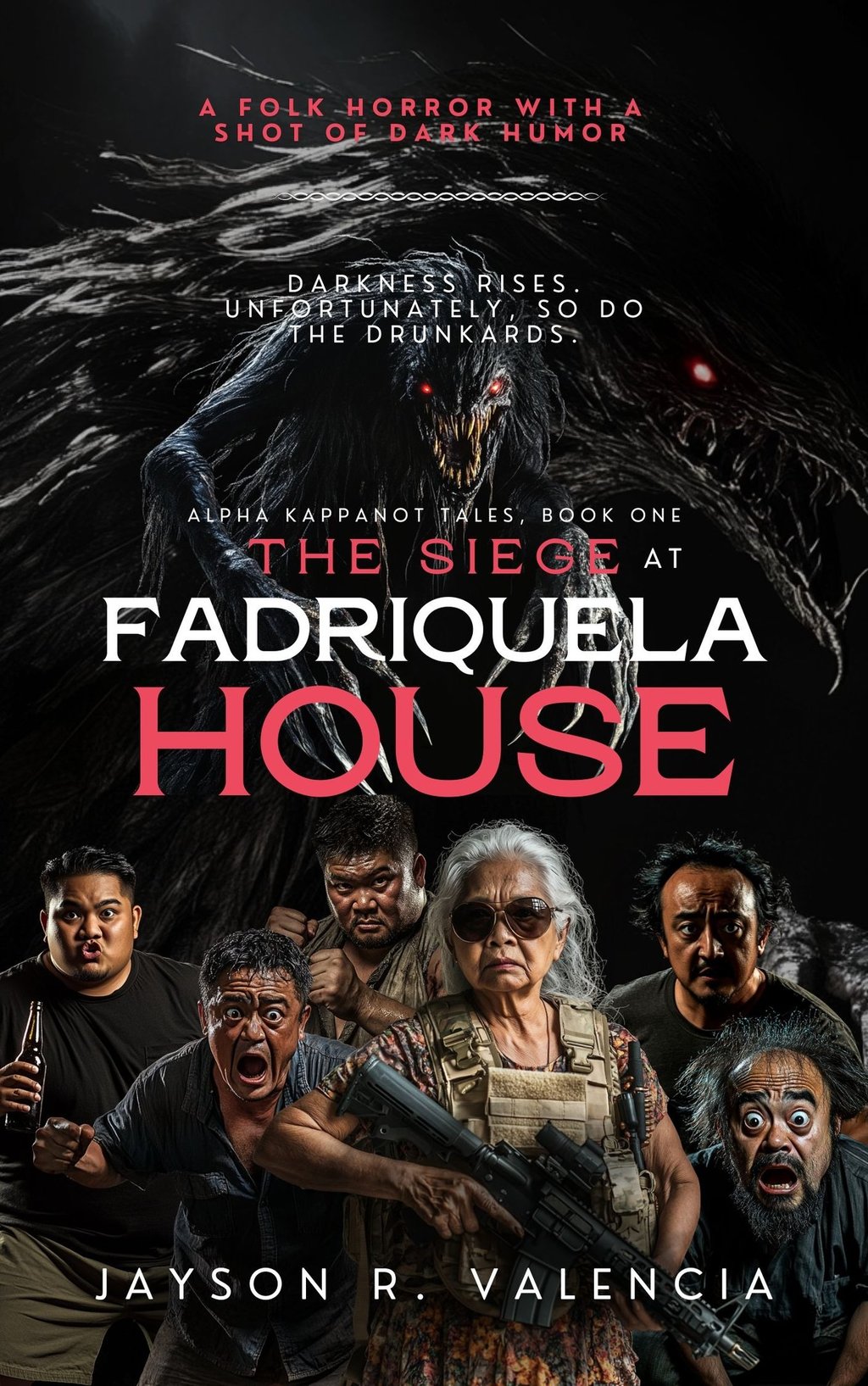
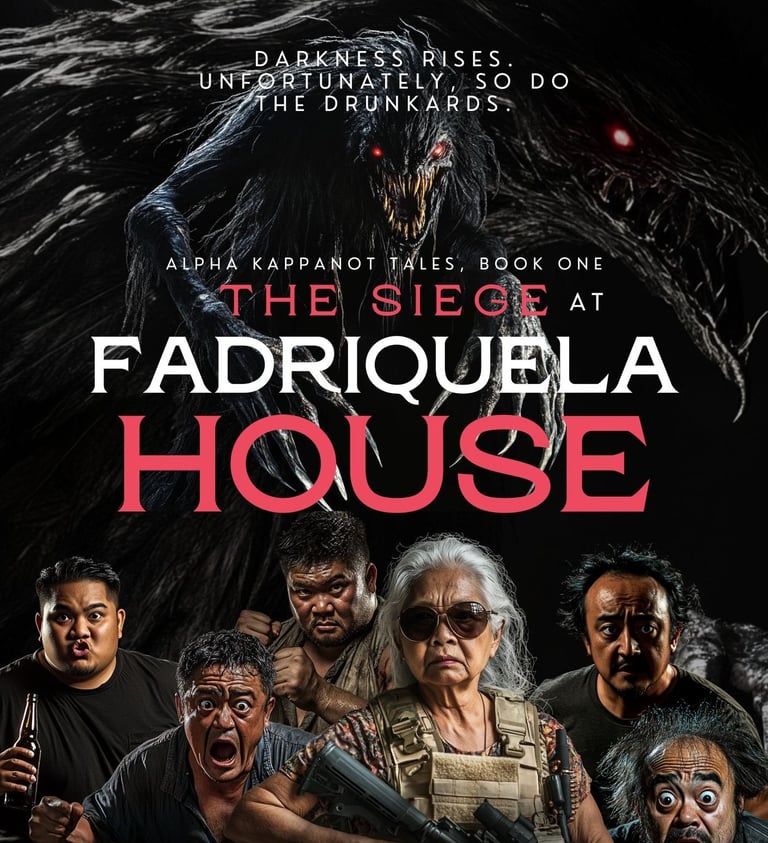
The Siege at Fadriquela House
Eight months pregnant and trapped inside a failing house, Melda Fadriquela becomes the target of aswangs that can borrow any shape the night provides. Her only defense is Harold, his drunken childhood friends, and a retired teacher who turns the frightened men into an unlikely guard unit armed with salt, garlic, bad jokes, and strict rules no one can afford to forget. As the creatures test every window, wall, and familiar voice, the siege grows harder to contain, and each mistake opens another way inside. The Siege at Fadriquela House is Filipino folk horror with a dark comic streak, where the unborn is always the target and laughter may be the last weapon left.
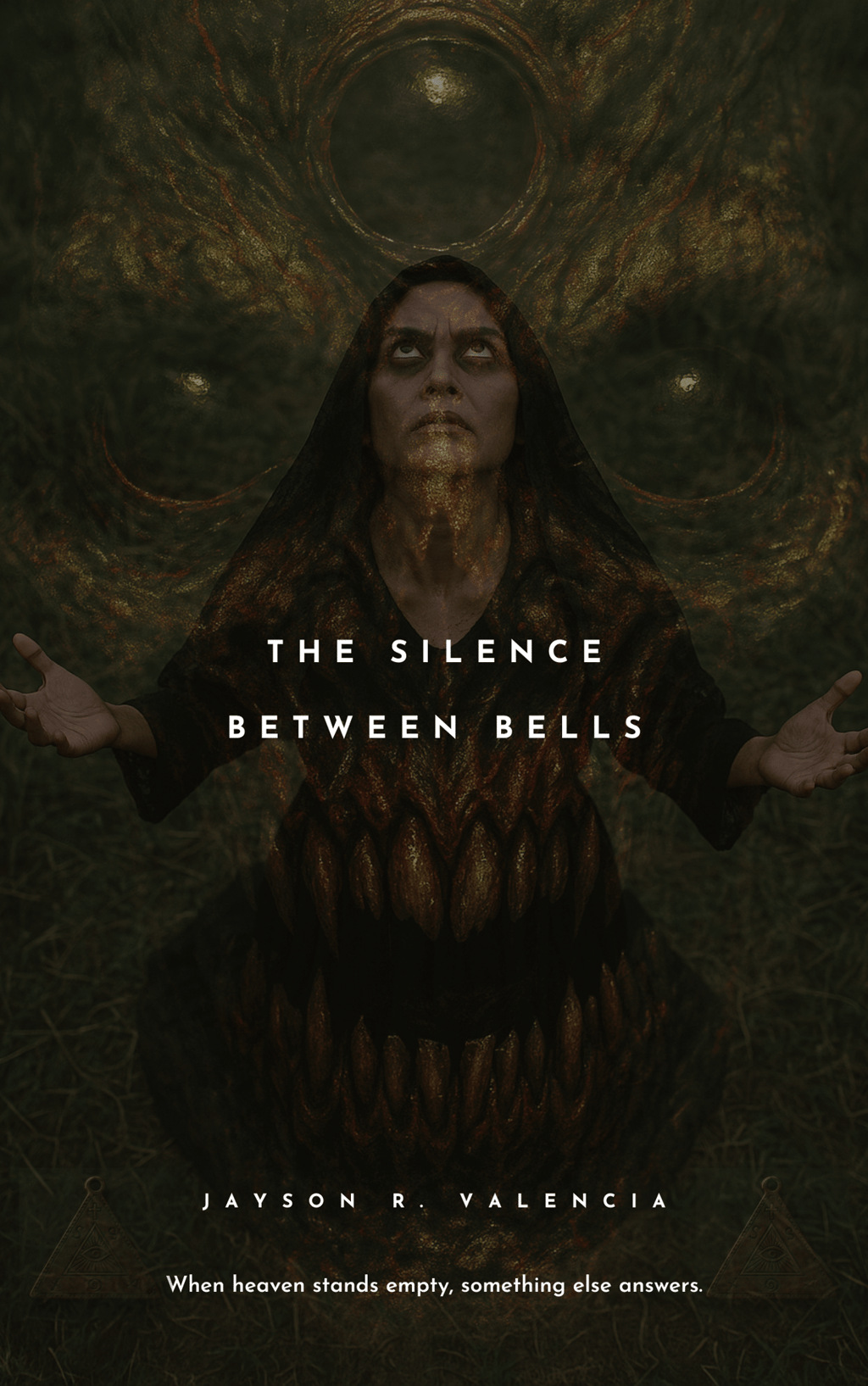
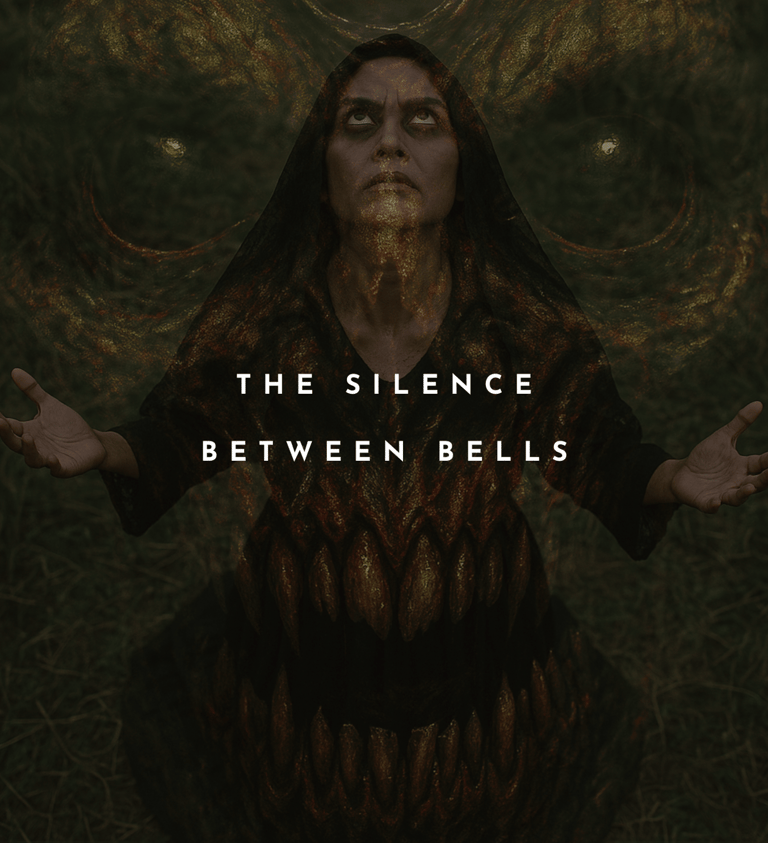
The Silence Between Bells
During Holy Week in Cavite, Marco watches his asthmatic twin, Rocco, become the answer to their parents’ most desperate prayer. A midnight rite in an abandoned quarry gives Rocco strong lungs and impossible strength, but it also brings home a stone-born Herald preparing a body for the entity old friars called the Morning Star. With the church bells silent until Easter, Marco must face a family that has already decided which son will be healed and which one can be buried. The Silence Between Bells is Filipino Catholic folk horror filled with palaspas, bronze medallions, Pabása chants, and a miracle that keeps asking for another body.
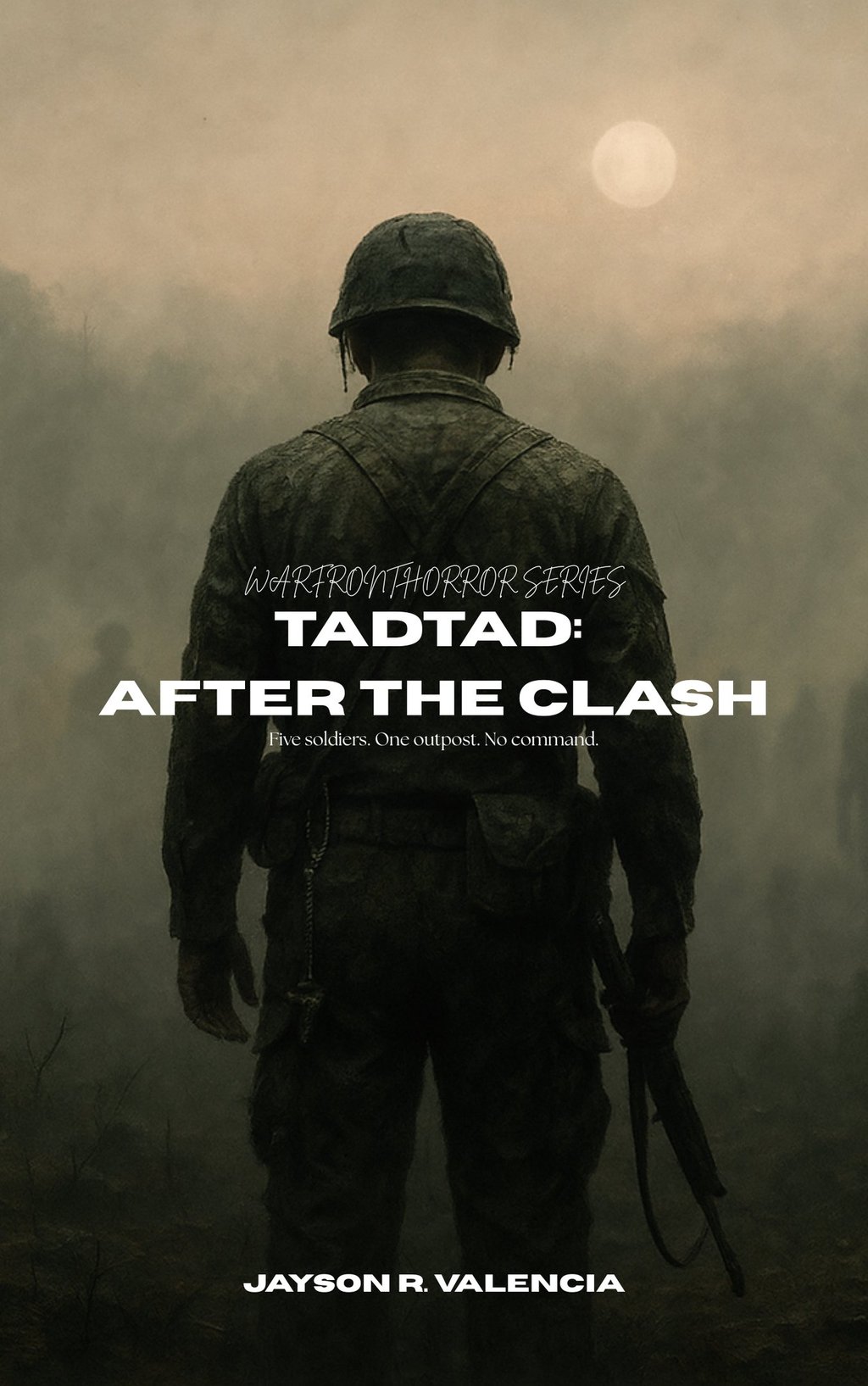
Tadtad After the Clash
Five soldiers are sent to hold a ruined barangay outpost after a bloody clash with the Tadtad cult. Their orders are simple: document the dead, secure the relics, and wait for command, but the radio begins praying in dead men’s voices, sealed bodies breathe under vinyl, and every recovered object keeps the same four-count pulse. Cut off in the hills, Sergeant Antonio Dumlao clings to procedure while the rhythm works its way into his reports, his men, and the ground beneath them. Tadtad: After the Clash is a claustrophobic military folk-horror novel about five men trapped with the remains of a battle that still knows how to give orders.
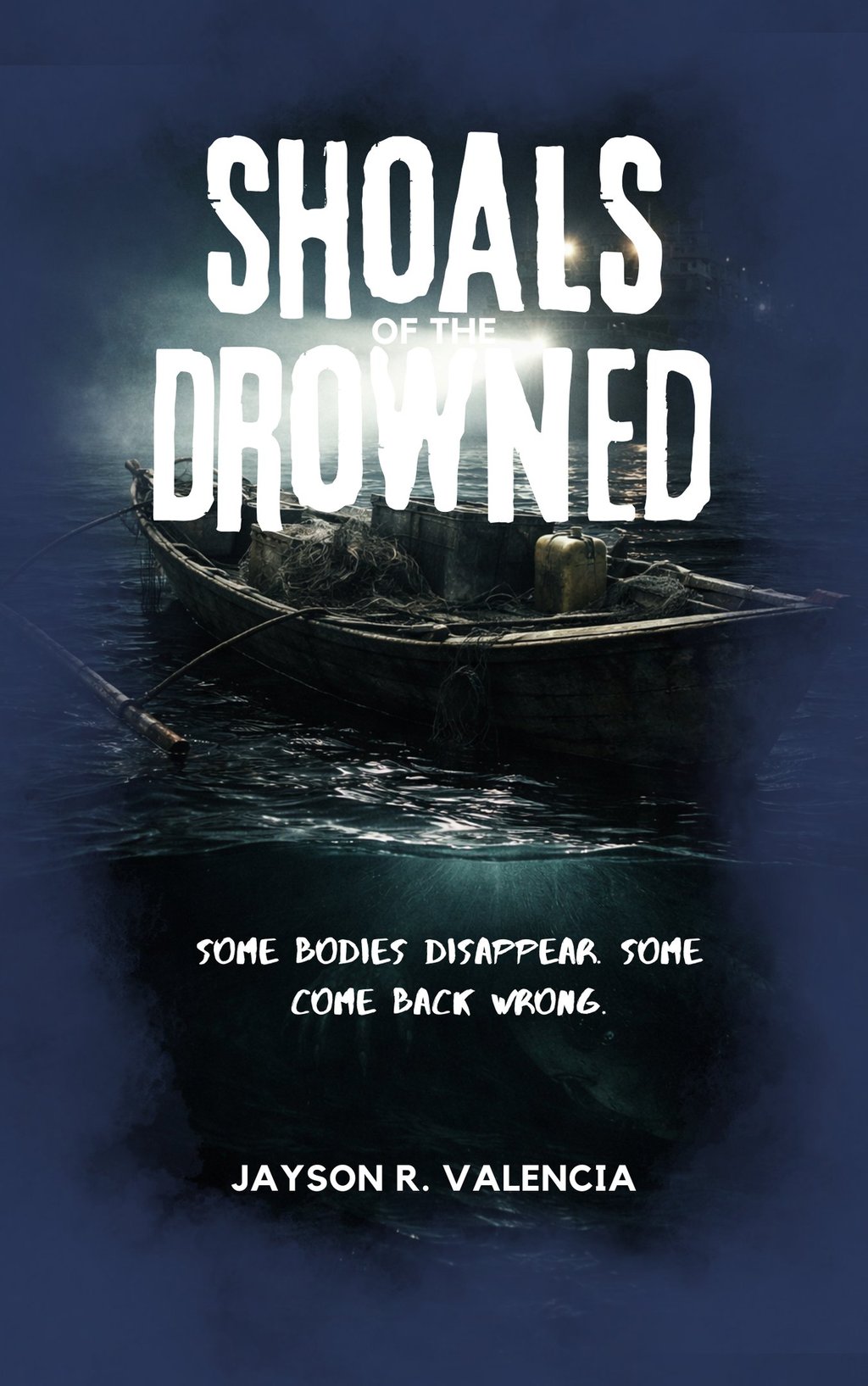
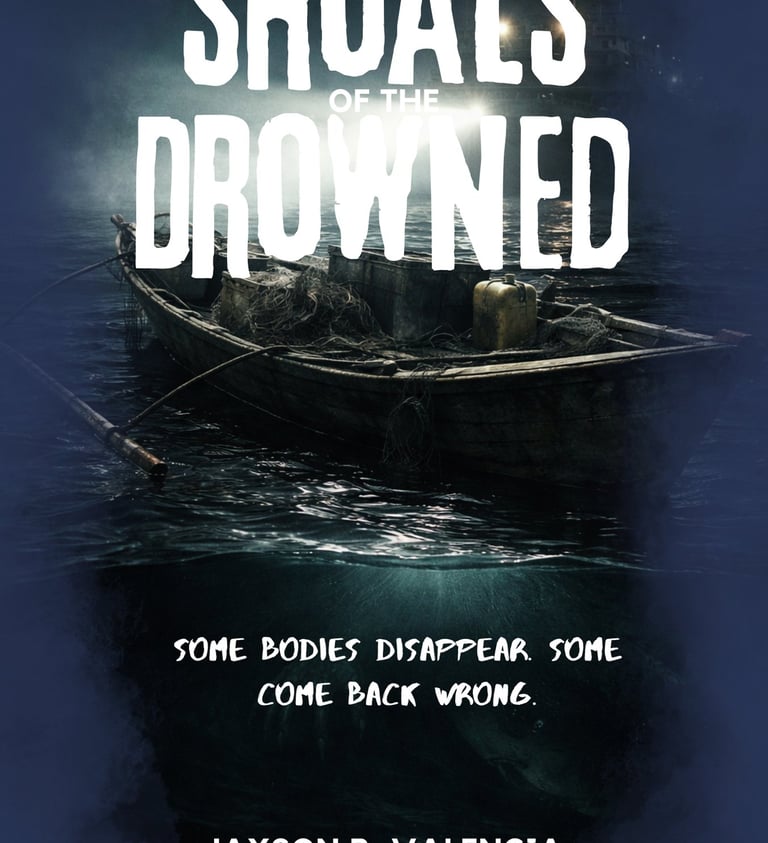
Shoals of The Drowned
When armed men board Tomas Alon’s fishing banca, steal the catch, and push his younger brother into the sea, the official report reduces the killing to an accident in rough water. Lieutenant Dasha Salisipan knows the paperwork has been cleaned, but the bodies washing ashore carry injuries no propeller or reef can explain. As Tomas searches the shoal route and Dasha follows the missing evidence, they uncover a covert maritime operation built on theft, intimidation, and men who expect the water to hide their work. Then something beneath the boats begins collecting its own dead.
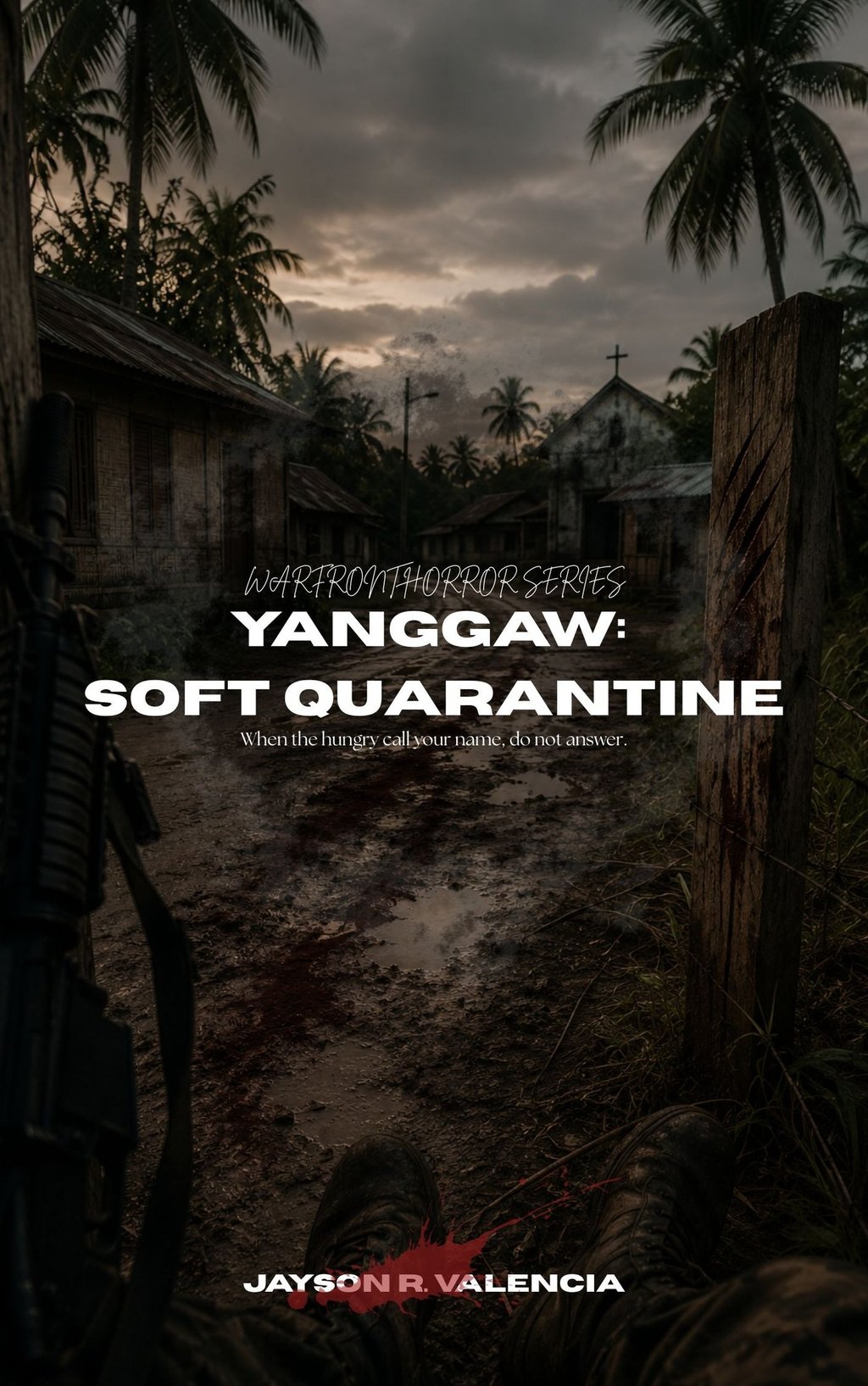
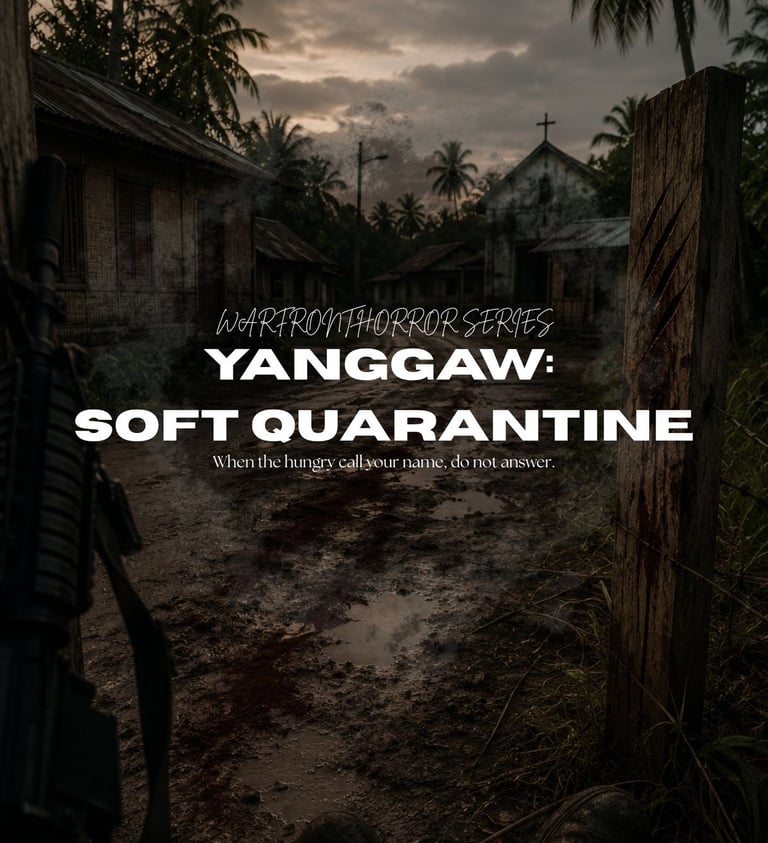
Yanggaw Soft Quarantine
A routine patrol brings a Philippine Army squad into Barangay San Roque with a wounded rebel tied to a poncho stretcher and begging to be restrained before sunset. The villagers call his hunger Yanggaw, but no one agrees on who is infected, who is hiding someone, or how far it has already spread. Ordered to enforce a soft quarantine, the soldiers must hold the barangay together while armed rebels circle outside and locked rooms begin answering back. Yanggaw: Soft Quarantine blends Filipino folklore, military tension, provincial bureaucracy, and dark humor in a survival horror story where the monster may still be someone’s family.
Jayson began writing horror with childhood friends. His stories grow from real relationships and inherited tradition.
Join the darkness
Subscribe to receive lore drops, secrets, and early reveals